
Calacatta Marble: Viola, Monet, Nuvo and More
Calacatta is white marble with bold, dramatic veining, chosen for countertops and walls that should hold the eye.

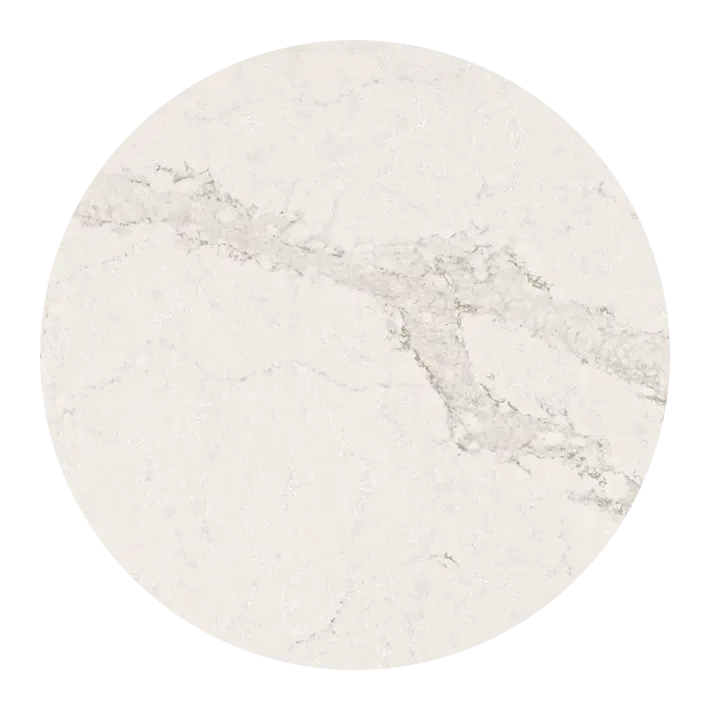
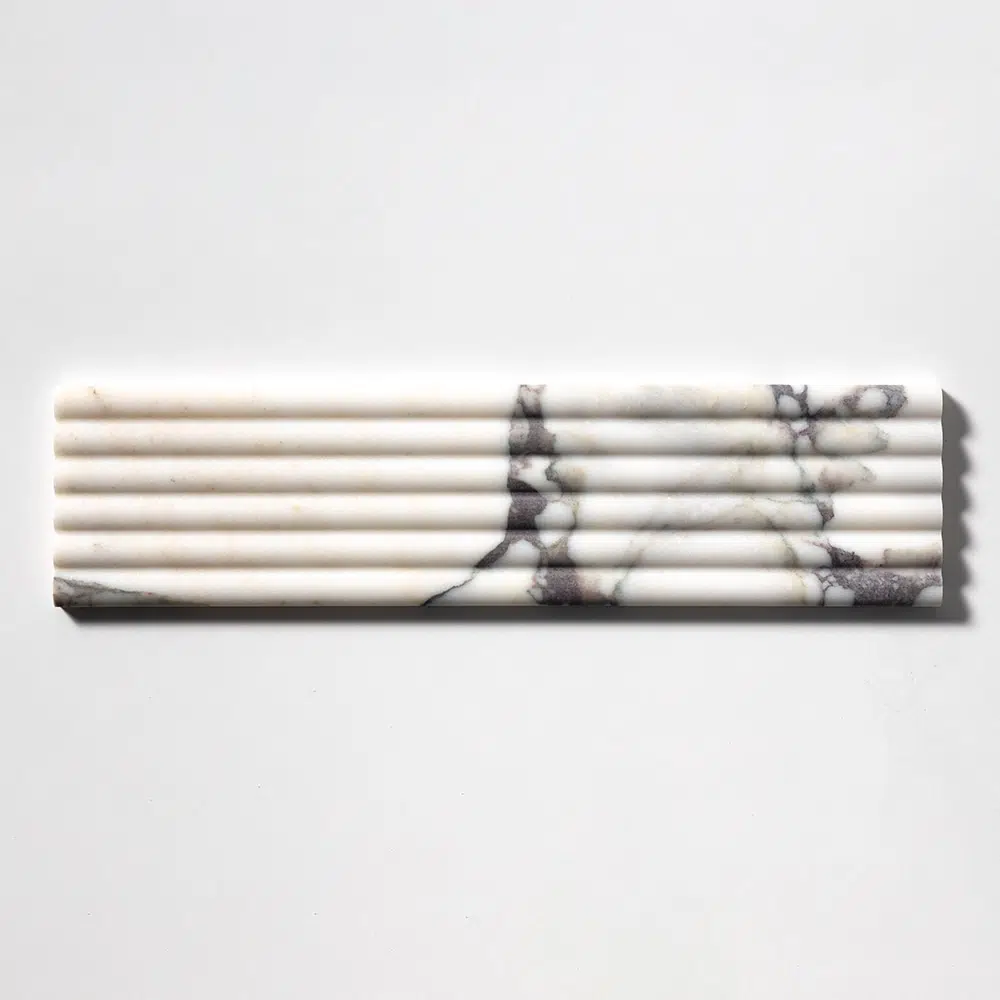
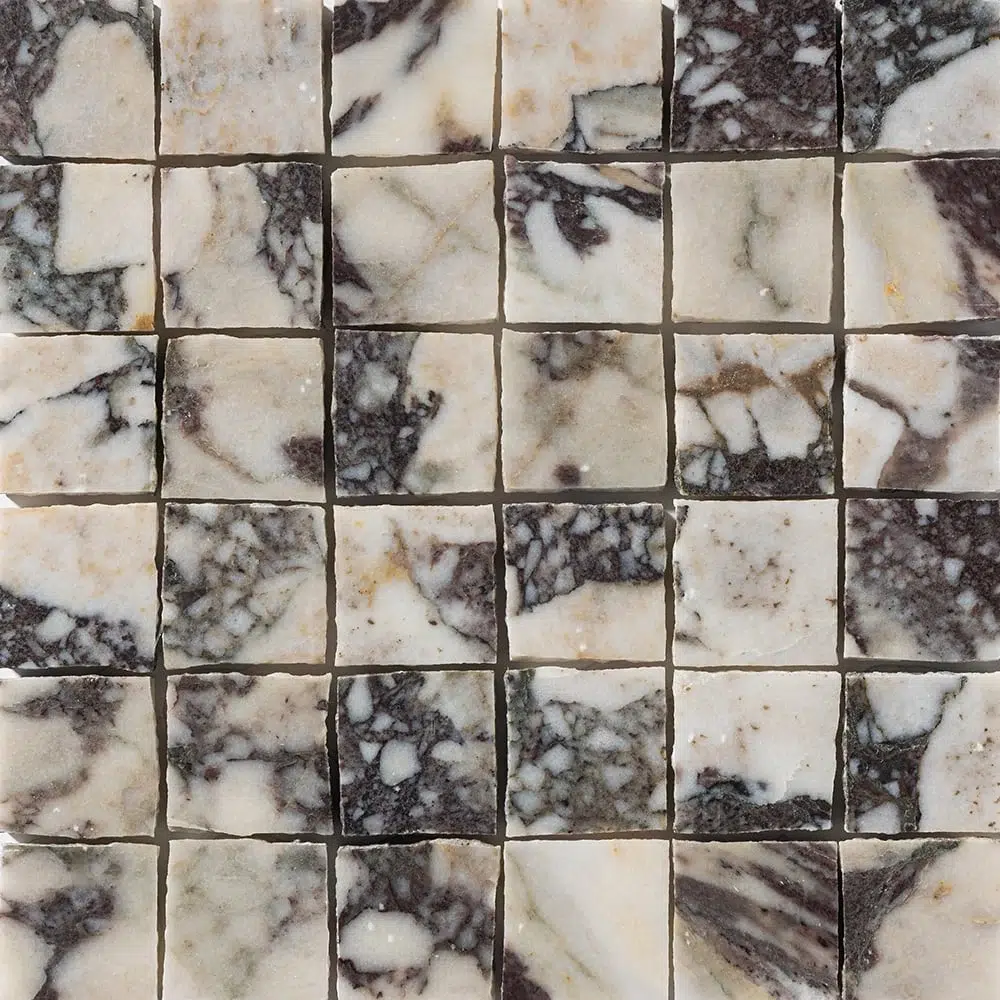
Arta's Calacatta collection
Each product below is a real Arta product. Open a page for details and sample options.



What Calacatta marble is
Calacatta is a marble historically quarried in the Carrara area of Tuscany, Italy. It is a natural stone, so every slab is different.
What sets it apart is a clean, bright white ground with thick, expressive veining. Carrara marble, by contrast, is greyer with softer, feathery veins.
Marble has been prized in homes for centuries, and Calacatta is among the most recognised white marbles in the world.
Viola, Monet, Nuvo: reading the names
Calacatta names often point to a colour or a vein character. Viola, for example, is known for veining with violet and burgundy notes. Gold and Green variants carry their own tone.
Names such as Monet and Nuvo identify particular slabs in a collection. Because each slab is natural, always look at the actual slab or a sample before you decide.
The veining is the whole point. On a countertop it can run across the slab like a drawing. Ask to see the full slab so you can judge where the strongest veins fall. Two slabs with the same name can look quite different.
Honed or polished
Polished marble is glossy and reflects light. It makes the white feel brighter and the veining sharper.
Honed marble is matte and softer to the eye. It hides small scratches and etch marks better, which is why many families prefer it in kitchens.
- Polished: bright, glossy, dramatic.
- Honed: calm, matte, more forgiving in daily use.
Pick the finish with your daily life in mind. A busy family kitchen often does better with honed, and a powder room can carry polished with ease.
Where Calacatta works
Kitchen islands and countertops are the classic use, with a slab that acts as the room's centrepiece. Bathroom vanities, shower walls and fireplace surrounds work just as well.
Mosaics and fluted tiles bring the same marble into smaller moments: a backsplash, a niche or a feature wall. Keep the rest of the room quiet and let the stone lead.
On a wall, a book-matched layout mirrors the veining from one slab to the next. Your fabricator can explain how this is cut and arranged.
Caring for Calacatta
Marble is calcium based, so acids such as lemon juice, vinegar and wine can etch the surface. Wipe spills quickly.
Seal the stone as your fabricator advises, and clean with a pH-neutral stone cleaner. Use trivets and cutting boards. With simple care, marble ages gracefully and gains character.
Keep colours around it restrained. Warm whites, soft greys and natural wood allow the marble to speak without competing. Lighting matters too: soft, warm light shows the depth of the veining, while harsh light can flatten it. Bring a sample into the room and look at it morning and evening.
Common questions
What is the difference between Calacatta and Carrara?
Calacatta has a whiter ground and bolder, thicker veining. Carrara is greyer, with softer, finer veining.
Is Calacatta marble good for a kitchen?
Yes, with care. Many people choose a honed finish and wipe up acidic spills quickly.
Does Calacatta marble stain or etch?
It can. Marble is porous and reacts to acids. Sealing and quick cleanup keep it looking its best.
Can I see a Calacatta slab before ordering?
Because each slab is natural, we recommend viewing the actual slab or ordering a sample from the product page.